



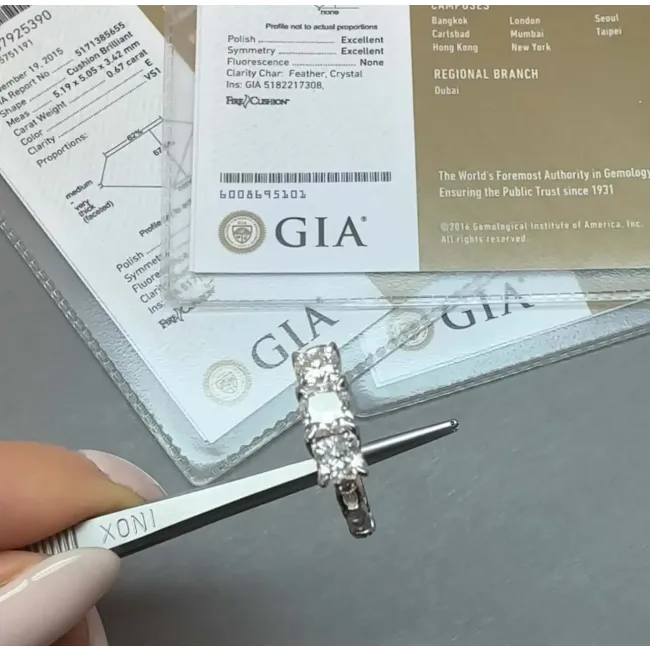
WHY YOU SHOULD SHARE YOUR CERTIFICATE, APPRAISAL, OR ORIGINAL SALE DOCUMENTS WHEN SELLING YOUR DIAMOND RING

When selling a diamond ring or selling an engagement ring, providing as much information as possible to potential buyers is essential for securing the best price and ensuring a smooth transaction. Sharing a GIA or AGS certificate, a jeweler's appraisal, or original sale documents builds trust, demonstrates value, and streamlines the selling process. It's also important to understand the nuances of each document — particularly the limitations of a jeweler's appraisal.
1. BUILDING TRUST AND CONFIDENCE WITH BUYERS
In the luxury goods market, trust is everything. Diamond rings carry significant emotional and financial value — making buyers especially cautious. Certificates and appraisals from respected institutions like the GIA verify the ring's authenticity and characteristics, proving that what you're selling is genuine. Without documentation, potential buyers may assume there is something to hide, resulting in lower or no offers. Providing this paperwork signals transparency and professionalism that can make all the difference when negotiating.
2. VERIFYING DIAMOND QUALITY: THE IMPORTANCE OF A CERTIFICATE
A diamond certificate — or grading report — is issued by an independent gemological laboratory and details the specific characteristics of a diamond. The most recognized certificates come from the GIA and AGS, outlining the 4Cs: carat, color, clarity, and cut.
OBJECTIVE VERIFICATION
Without a certificate, buyers cannot objectively verify a diamond's characteristics. Even confident sellers may face skepticism from buyers who lack the expertise to assess a significant investment without documented, third-party proof.
AVOIDING RE-CERTIFICATION RISK
A GIA certificate means the buyer won't need to re-certify the diamond — an expensive and time-consuming process that also carries risk. Diamond grading can vary slightly between assessments, and any drop in grades could reduce the stone's value. The original certificate eliminates this uncertainty entirely.
TRANSPARENT PRICING
A GIA certificate allows the buyer to determine a very tight price range based on certified qualities. They can compare similar graded diamonds in the market — making pricing more transparent and reducing unnecessary back-and-forth over value.
3. UNDERSTANDING THE LIMITATIONS OF A JEWELER'S APPRAISAL
APPRAISALS ARE FOR INSURANCE
Many sellers mistakenly believe that a jeweler's appraisal reflects what the ring will sell for — but that's generally not true. Appraisals are typically used for insurance purposes and assign a replacement value higher than actual resale value. As outlined in White Pine's article on The Role of Jeweler's Appraisals When Selling Diamonds And Jewelry, an appraisal estimates replacement cost — not what a buyer will pay.
STILL USEFUL TO SHARE
While a jeweler's appraisal does not offer a reliable guide for resale pricing, it can still demonstrate the quality, condition, and materials of the piece. Both parties should supplement appraisal information with current market comparables and recent sales to determine fair pricing.
4. PROOF OF OWNERSHIP: ORIGINAL SALE DOCUMENTS
Original sale documents — such as the original receipt or proof of purchase from the jeweler — verify the chain of ownership and confirm the ring was legally acquired. This transparency is especially important for second-hand jewelry buyers, who need assurance that the piece wasn't stolen or obtained under questionable circumstances. If you still have original packaging, warranty, or care instructions, including these further boosts buyer confidence and can support a stronger offer.
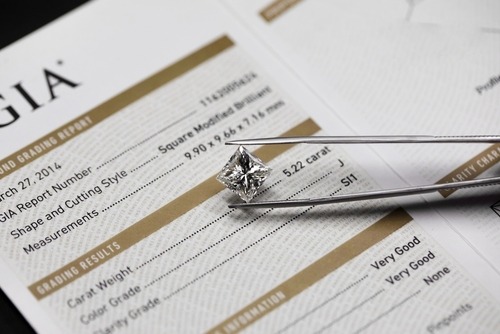
THE PRACTICAL BENEFITS OF SHARING DOCUMENTATION
SUPPORTING YOUR ASKING PRICE
Without documentation, sellers must justify their asking price through negotiation alone. Detailed paperwork removes guesswork — demonstrating that the price is grounded in the tangible value of the ring's materials and craftsmanship, backed by third-party verification.
SPEEDING UP THE SALE
Providing all relevant documents upfront allows the buyer to make a more informed initial quote — accelerating the process. Anticipating buyers' questions and answering them with official documentation reduces the friction that typically slows down high-value transactions.
EXPANDING YOUR BUYER POOL
Not all buyers are diamond experts. First-time buyers rely heavily on documentation to guide their decisions. Providing complete paperwork opens the door to a larger pool of potential buyers — giving you a better chance of selling quickly and for a fair price.
TRANSPARENCY IS THE KEY TO A SUCCESSFUL SALE
Providing a diamond certificate, jeweler's appraisal, and original sale documents is not just good practice — it is often essential to a successful sale. These documents build trust, verify quality, and make the transaction smoother for both parties. Understand the limitations of each document, rely on certifications and market research to price accurately, and provide as much transparency as possible. In an industry where trust is vital, the more information you share, the better your outcome.