



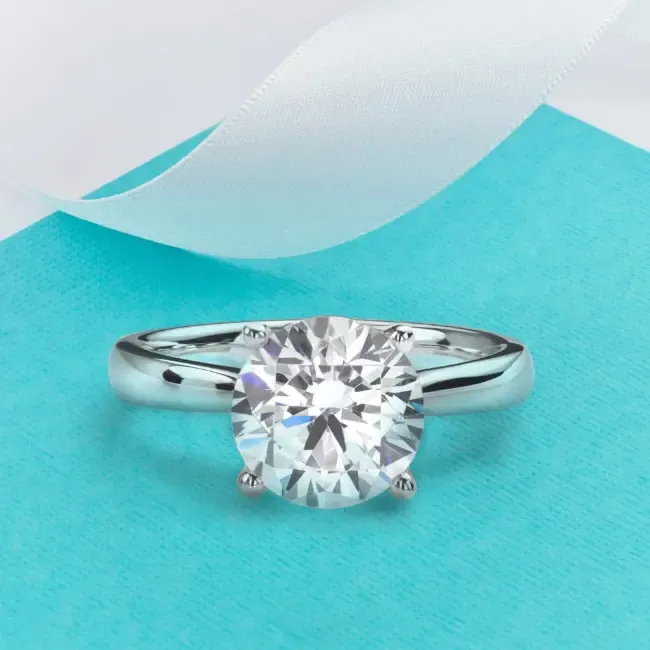
SELL TIFFANY JEWELRY GUIDE: GET THE BEST RESALE VALUE FOR YOUR PIECES
Tiffany & Co. jewelry occupies a unique position in the secondhand market. Unlike generic fine jewelry, Tiffany pieces carry brand equity that survives the original purchase — the name, the hallmark, and in many cases the original box and paperwork all contribute to resale value in ways that generic pieces simply cannot match. That said, the resale value of Tiffany will vary considerably depending on what you're selling, who you sell it to, and whether you have supporting documentation. We usually advise clients to expect to receive 20-60% of what was originally paid.
Engagement rings, iconic collections, and platinum pieces consistently perform best on the secondary market. Fashion pieces and silver items sell well too, though at lower price points. Across all categories, choosing the right buyer makes the single biggest difference to your final return.
This guide covers what determines Tiffany resale value, how the selling process works step by step, where to sell, how online and local options compare, what mistakes to avoid, and what red flags to watch for.
(Ready to get an offer now? Visit our Tiffany jewelry selling page, complete the short form, and we'll respond within 24 hours.)
Jump to a section:
WHAT DOES SELLING TIFFANY JEWELRY INVOLVE?
Selling Tiffany jewelry follows the same broad sequence as selling any fine jewelry — but the brand dimension adds a layer of consideration that doesn't apply to generic pieces. Before seeking an offer, it's worth understanding exactly what you have. That means identifying the collection, metal type, any gemstone characteristics, and whether the piece comes with original Tiffany packaging, receipts, or certificates.
Documentation matters more with Tiffany than with most other jewelry brands. The original blue box, pouch, and paperwork signal authenticity to buyers and reduce their risk — which translates directly into a higher offer. If you no longer have these, that's not disqualifying, but it's worth noting upfront rather than discovering at the point of valuation.
Once you understand what you have, the process involves selecting a selling channel, submitting details for a quote, and — if selling online — shipping the piece to the buyer for physical evaluation. A reputable buyer will always cover insured return shipping if you choose not to accept the final offer.
One important note: Tiffany & Co. does not operate a general buyback program. They offer an upgrade program for engagement rings only — where you can trade a ring in toward a new one at least double the price. For all other pieces, and for sellers who want cash rather than store credit, the secondary market is the route to take.
WHAT DETERMINES TIFFANY RESALE VALUE?

Tiffany resale value is shaped by a combination of the piece's intrinsic characteristics and external market factors. Understanding each one helps you anticipate the offer you'll receive and identify where your piece sits in the range.
| Factor | Why It Matters |
|---|---|
| Brand & Collection | The Tiffany name carries a premium over unbranded fine jewelry. Iconic collections — Tiffany Setting, Return to Tiffany, Elsa Peretti, Paloma Picasso — command more than standard pieces due to collector demand and global recognition. |
| Original Packaging & Documentation | The original Tiffany box, pouch, certificates, and receipts authenticate the piece and signal completeness. Buyers pay a premium for complete sets — always include them if you have them. |
| Metal Type | Platinum pieces recover the most due to metal density and rarity. 18K gold follows. Sterling silver pieces — while popular — carry a lower intrinsic metal value, though Tiffany's brand premium partially offsets this. |
| Diamond & Gemstone Quality | For pieces with stones, the 4 Cs — cut, color, clarity, carat — directly influence value. A Tiffany piece with excellent diamond grades achieves meaningfully more than one with average grades, even within the same collection. |
| Condition | Pieces in excellent or near-mint condition achieve stronger offers. Visible wear, scratches, bent prongs, or missing stones reduce value. However, paying for repairs before selling rarely recovers the cost — note damage rather than fixing it. |
| Rarity & Market Demand | Discontinued styles, limited editions, and historically significant pieces attract collector premiums. Current fashion trends also affect which styles buyers are actively seeking — and therefore what they'll pay. |
THE SELLING PROCESS, STEP BY STEP
Selling Tiffany jewelry — whether a single piece or a collection — follows a consistent sequence. Here is how the process works from start to payment.
| Step | Action | What To Do |
|---|---|---|
| 1 | Gather Your Documentation | Locate the original Tiffany box, pouch, any certificates, receipts, or appraisals. These materially increase your offer. If you no longer have them, make a note — selling without paperwork is possible, just disclose it upfront. |
| 2 | Identify the Piece | Note the collection name, metal type, any stone details, and the condition. The more accurately you can describe the piece, the more precise your initial quote will be — and the fewer surprises at physical evaluation. |
| 3 | Submit a Quote Request | Submit your details to a reputable buyer — online or in person. Include photos and any documentation you have. A specialist buyer will typically respond with a preliminary offer within one business day. |
| 4 | Ship for Physical Evaluation | If selling online, ship the piece using the buyer's insured, tracked shipping method. Never send jewelry via standard uninsured mail. The physical evaluation confirms the piece's characteristics and produces the official offer. |
| 5 | Review and Decide | Take your time reviewing the offer. A reputable buyer will never pressure you to accept. If the offer doesn't meet your expectations, decline — your piece should be returned at no cost and fully insured. |
| 6 | Accept and Get Paid | Once you accept, payment is issued by check or bank transfer — typically the same day. With a specialist online buyer, the entire process from submission to payment can be completed within a week. |
ONLINE VS. LOCAL: WHERE TO SELL YOUR TIFFANY JEWELRY
The channel you sell through affects price, speed, and convenience. Each option has genuine trade-offs — the right choice depends on your priorities.
| TIFFANY JEWELRY SALES Channel | Speed | Price Potential | My Take |
|---|---|---|---|
| Specialized Online Buyer | 1–7 days | Strong | The strongest combination of price, speed, and security for most sellers. A specialist who focuses on luxury jewelry prices to a national market, understands Tiffany's brand value, and has lower overheads than a physical store. Insured shipping and clear return policies are standard. |
| Local Jewelry Store | Same day | Moderate | Convenient and immediate — you retain possession throughout and can leave with payment the same day. The trade-off is price: local stores buy to resell locally, which limits their pricing. Higher-overhead chains typically offer less than independents. |
| Auction House | Weeks to months | High (for rare pieces) | Worth considering only for rare vintage Tiffany, limited editions, or exceptional high-value pieces. Commission fees run 10–28%, the process is slow, and a sale is never guaranteed. Not practical for everyday Tiffany jewelry. |
| Consignment | Weeks to months | Moderate | Low effort but uncertain. Commission fees up to 50% of the sale price significantly reduce take-home amounts, and there's no guarantee of a sale. A direct buyer offer often nets more in practice, even at a lower headline price. |
| Online Marketplaces | Variable | Variable | The ceiling for price can be high — consumer-to-consumer sales for Tiffany can outperform trade buyers. The floor is also low, and the risks are real: fraud, non-payment, and disputes without protection. Best suited to experienced sellers only. |
| Pawn Shop | Same day | Low | Fast cash but the lowest prices. Pawn shops are generalists who do not specialize in luxury brands — the Tiffany premium is largely lost. Use only if immediate liquidity outweighs all other considerations. |
MOST POPULAR TIFFANY ITEMS ON THE SECONDARY MARKET
Certain Tiffany pieces attract consistent buyer demand regardless of broader market fluctuations. These are the categories that perform most reliably on the secondary market.
Tiffany Engagement Rings
Particularly pieces featuring the classic Tiffany Setting, introduced in 1886. These rings retain a significant portion of their value and attract buyers seeking recognized luxury. Diamond quality and certification have a strong influence on the final offer.
Return to Tiffany Collection
Inspired by a 1969 key ring design, this collection has developed a strong collector following. Heart tag bracelets, necklaces, and earrings are consistently sought after for their distinctive engraving and timeless appeal.
Tiffany T Collection
The modern "T" motif resonates strongly with contemporary buyers. Bracelets, rings, and necklaces from this line are in steady demand for their clean lines and versatile styling across different markets.
Elsa Peretti Designs
The Bean, Open Heart, and Bone cuff have achieved iconic status. Peretti's organic minimalism has proven genuinely timeless — these pieces attract both jewelry buyers and design collectors, supporting strong resale values.
Paloma Picasso Creations
Bold, expressive, and immediately recognizable. The Loving Heart and Olive Leaf collections retain strong demand due to their design identity and the enduring appeal of Picasso's artistic association with the brand.
Vintage & Limited Edition Pieces
Art Deco, pre-LVMH acquisition pieces, and limited editions attract dedicated collector demand. Rarity and historical significance command meaningful premiums — particularly for pieces with original documentation confirming provenance.
COMMON MISTAKES TO AVOID
Most sellers who receive a poor outcome make one of a small number of avoidable errors. These are the most common — and the most costly.
Not Disclosing Missing Paperwork Upfront
Failing to mention that you're selling without the original box or certificates leads to a revised offer at physical evaluation. Be transparent from the start — it sets realistic expectations and avoids a disappointing adjustment later.
Paying for Repairs Before Selling
Investing in repairs before a sale rarely recovers the cost. Buyers price on intrinsic characteristics — cosmetic band condition matters far less than stone quality and metal type. Note any damage and disclose it; do not pay to fix it.
Benchmarking Against Retail or Insurance Value
Insurance appraisals reflect replacement cost — not resale value. Expecting an offer near what you paid or what your appraisal states leads to rejecting fair offers. Resale returns for Tiffany typically run 20–50% of original retail.
Selling to the First Buyer You Find
Getting a single quote and treating it as definitive leaves money on the table. Obtaining two or three offers from reputable buyers gives a clear picture of fair market value — particularly important for higher-value Tiffany pieces where the spread between buyers can be significant.
Choosing Convenience Over Specialization
A pawn shop or generalist buyer does not understand Tiffany's brand premium. The difference between a specialist and a generalist can represent hundreds or thousands of dollars on pieces where brand value is a significant component of the offer.
Skipping Due Diligence on the Buyer
Not verifying a buyer's reputation, reviews, and customer protection policies is a risk that can result in low offers or outright fraud. Always check Google reviews, professional affiliations, and return policies before committing to a sale.
RED FLAGS TO WATCH FOR
Identifying an untrustworthy buyer before committing to a transaction is as important as knowing the value of your piece.
PRESSURE TO SELL QUICKLY
Any buyer who creates urgency or pressures you to accept without time to consider is a warning sign. A legitimate buyer always respects your right to think it over — there is no valid reason to rush a seller.
LACK OF TRANSPARENCY
Trustworthy buyers are open about their evaluation process, pricing methodology, and fees. If a buyer is evasive about how they arrived at an offer or refuses to explain their process, do not proceed.
REQUESTS FOR UPFRONT PAYMENT
No reputable buyer charges a seller for an appraisal or evaluation. Any request for upfront payment before an offer is issued should be treated as a serious red flag.
NO VERIFIABLE TRACK RECORD
A buyer with no visible reviews, testimonials, or history in the luxury jewelry market should be approached with caution. Established buyers are proud of their track record and make it easy to verify through Google, the BBB, or industry affiliations.
NO RETURN OR CANCELLATION POLICY
A reputable buyer has a clear, written policy for returning your piece if you decline the offer — at no cost to you and fully insured. Any buyer who cannot clearly explain this policy is not operating to professional standards.
INCONSISTENCIES IN COMMUNICATION
If what a buyer tells you across emails, calls, or in-person meetings doesn't add up — different figures, shifting terms, or vague answers to direct questions — treat it as a sign of either dishonesty or insufficient expertise. Either is disqualifying.
FREQUENTLY ASKED QUESTIONS
DOES TIFFANY JEWELRY HAVE RESALE VALUE?
Yes — Tiffany & Co. jewelry holds resale value more reliably than most unbranded fine jewelry. The brand's global recognition, heritage, and consistent craftsmanship drive steady secondary market demand. Engagement rings, iconic collections, and platinum pieces perform best. Silver and fashion pieces also sell, but at lower returns relative to their original retail price.
HOW MUCH WILL I GET FOR MY TIFFANY JEWELRY?
Most sellers receive between 20% and 50% of the original retail price, though this varies widely by piece. Tiffany engagement rings with strong diamond grades and original certification sit at the top of the range. Sterling silver fashion pieces with no documentation sit lower. The brand premium is real, but it does not close the gap between retail and resale entirely.
DOES TIFFANY BUY BACK JEWELRY?
Tiffany & Co. does not operate a general buyback program. They offer an upgrade program for engagement rings only — where you can trade a ring toward a new one at least double the original purchase price, with trade-in value based on what you originally paid. For all other pieces, and for sellers who want cash, the secondary market is the only route.
DOES THE ORIGINAL BOX INCREASE MY OFFER?
Yes. The original Tiffany box, pouch, and any accompanying paperwork authenticate the piece and increase buyer confidence. Complete sets achieve meaningfully higher offers than pieces without documentation. If you have them, always include them. If you don't, selling without the box is entirely possible — just disclose it upfront. See our guide on selling Tiffany jewelry without box or papers.
WHICH TIFFANY PIECES ARE WORTH THE MOST?
Engagement rings — particularly those featuring the Tiffany Setting with strong diamond grades — consistently achieve the highest returns. Pieces from sought-after collections including Return to Tiffany, Elsa Peretti, and Paloma Picasso also perform well. Vintage, limited edition, and discontinued pieces can command collector premiums above the standard resale range. If you are looking to sell an engagement ring than is not Tiffany branded we can also help.
HOW LONG DOES IT TAKE TO SELL?
With a specialized online buyer, the full process from initial quote to payment typically takes 1 to 7 days. Local jewelers can be faster — same day in some cases. Auction and consignment routes take weeks to months, with no guaranteed sale. For most sellers prioritizing both price and speed, a specialist online buyer is the most efficient route.
SHOULD I REPAIR MY TIFFANY PIECE BEFORE SELLING?
Generally, no. Repairs rarely recover their cost in a higher offer — buyers price on intrinsic characteristics, not cosmetic condition. If your piece is broken or has a missing stone, contact a reputable buyer first before spending money on repairs. They can advise whether any work would meaningfully affect the offer.
WHAT IS THE MOST PROFITABLE WAY TO SELL TIFFANY JEWELRY?
Consumer-to-consumer sales — through platforms like eBay or dedicated luxury resale sites — can achieve the highest prices when they work. However, they require effort, carry real fraud risk, and offer no guarantee of a sale. For most sellers, a specialized online buyer offers the best practical outcome: strong pricing, fast payment, and a secure, protected transaction from start to finish.
READY TO SELL YOUR TIFFANY JEWELRY?
White Pine has been buying diamonds and luxury jewelry since 2010. Jewelry is all we do — which means every Tiffany offer is made by someone with a genuine understanding of the brand, the secondary market, and what your piece is actually worth.
Submit your details using the short form on our Tiffany jewelry selling page and we'll have a quote back to you within one business day. Shipping is fully insured, and if you don't accept the offer, your piece is returned at no charge.
Looking to sell other luxury jewelry? Read our guide on how to sell Cartier jewelry.