



HOW A DIAMOND'S SHAPE INFLUENCES ITS OVERALL VALUE

When considering the worth of a diamond, most people focus on clarity, color, carat weight, and cut quality. However, one often-overlooked aspect that can significantly impact both market demand and resale price is the diamond's shape. While shape may seem like a purely aesthetic choice, it actually plays a critical role in determining how easily and profitably a diamond can be sold down the line.
(Visit our sell diamond ring page or our sell loose diamonds page to get a free estimate if you are looking to sell.)
WHY SHAPE MATTERS
Different shapes carry varying levels of appeal to buyers, both initially and in the resale market. Some shapes enjoy widespread, enduring popularity while others appeal to more specialized tastes. How many potential buyers are interested in a particular shape directly affects how quickly and at what price you can resell it.
THE DOMINANCE OF ROUND DIAMONDS
Round brilliant diamonds have long been the gold standard when it comes to resale value. Thanks to their timeless look, exceptional sparkle, and longstanding popularity, they continue to be the easiest shape to resell at favorable prices. Their universal appeal ensures a broad audience of potential buyers, allowing round diamonds to often command a higher percentage of their original retail cost compared to other shapes.
FANCY SHAPES: DISTINCTIVE BUT MORE CHALLENGING
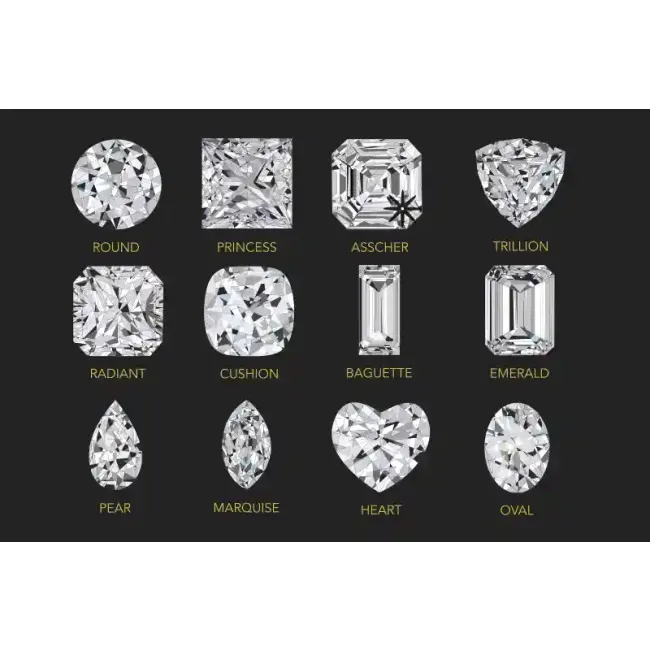
Fancy-shaped diamonds — such as princess, cushion, emerald, oval, pear, marquise, radiant, and Asscher cuts — can offer unique aesthetics but generally have a more limited market of interested buyers. Although these shapes may be perfect for someone seeking a distinctive personal style, they often command less favorable resale percentages than round brilliants. Fewer interested buyers translate into lower secondary market prices and a potentially longer time to complete a sale.
BREAKDOWN BY DIAMOND SHAPE
ROUND BRILLIANT
The most sought-after shape, round diamonds typically achieve the highest resale values. Their enduring popularity and strong buyer demand help maintain robust secondary market prices.
PRINCESS CUT
Among fancy shapes, princess cuts are relatively common and often considered the runner-up in popularity after rounds. However, they still yield lower resale returns when compared to round diamonds of similar quality.
CUSHION CUT
Known for their soft, pillow-like appearance, cushion cuts appeal to buyers who want a vintage or romantic look. Despite their charm, they generally do not retain as much resale value as round brilliants.
OVAL, PEAR & MARQUISE
These elongated shapes can appear larger and carry a distinctive elegance. Yet their buyer pool is narrower, resulting in lower resale prices and a more selective secondary market.
EMERALD & ASSCHER
Celebrated for their step-cut faceting and vintage charm, these cuts attract enthusiasts who appreciate subdued brilliance. Compared to rounds, they garner lower buyback offers and require a buyer specifically interested in their unique style.
RADIANT CUT
Radiant cuts blend the elegance of an emerald shape with the sparkle of a round. They appeal to a niche audience and, like most fancy shapes, typically trade at lower resale percentages than round brilliants.
MARKET REALITIES AND RESALE VALUES
ROUND DIAMONDS HOLD STRONGER
In the secondary market it's common to recover only a portion of the original retail price regardless of shape. However, shape determines which end of that range you hit. Round diamonds often maintain a stronger resale percentage due to their broad and consistent buyer demand.
TRENDS ARE TEMPORARY
A certain fancy shape may experience a temporary surge in popularity — perhaps due to a celebrity endorsement or changing fashion preferences. However, these spikes are rarely as sustained or reliable as the ongoing appeal of the round brilliant.
WORKING WITH KNOWLEDGEABLE BUYERS
Whether selling now or planning for the future, working with reputable, experienced diamond buyers is key. These professionals understand market conditions and can offer transparent valuations that account for shape as well as the other key attributes of the diamond. A trusted buyer will provide insights into how your stone's shape might impact its final purchase price, ensuring you receive a fair deal.
White Pine's expert team can guide you through every step of the selling process, offering comprehensive evaluations and industry insights tailored to your needs. With our longstanding market presence and specialized knowledge, we're equipped to help you secure the best possible value for your diamond.
MAKING INFORMED DECISIONS
PRIORITIZING RESALE VALUE
If long-term value retention matters to you — especially if you anticipate upgrading or reselling your diamond later — a round diamond is generally the safest choice. Its broad appeal and consistent demand make it the most reliable shape for maximizing resale returns.
CHOOSING A FANCY SHAPE
If you gravitate toward a fancy shape because of its unique beauty, that's a perfectly valid choice. Just be prepared for a potentially lower return if you resell in the future. Understanding this trade-off helps you make a decision that aligns both your personal taste and financial expectations.
READY TO SELL YOUR DIAMOND?
While shape may initially seem like a matter of personal style, it has a profound influence on a diamond's resale potential. Round brilliant diamonds commonly achieve stronger resale values due to their broad appeal. Fancy shapes, though unique and striking, cater to a narrower audience and typically trade at lower returns on the secondary market.
By understanding the role shape plays in long-term value, you can make more informed, strategic decisions that align your personal tastes with your financial expectations. White Pine is here to help with expert guidance and competitive offers.