



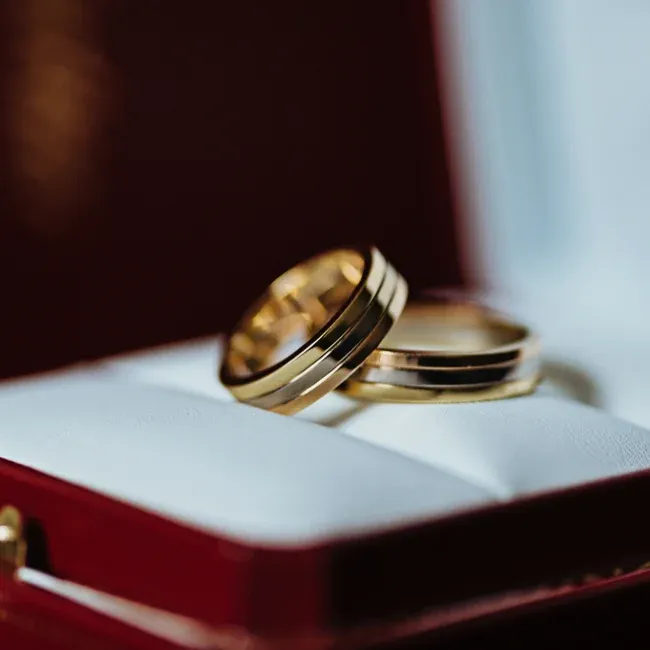
YOUR GUIDE: HOW TO SUCCESSFULLY SELL CARTIER JEWELRY

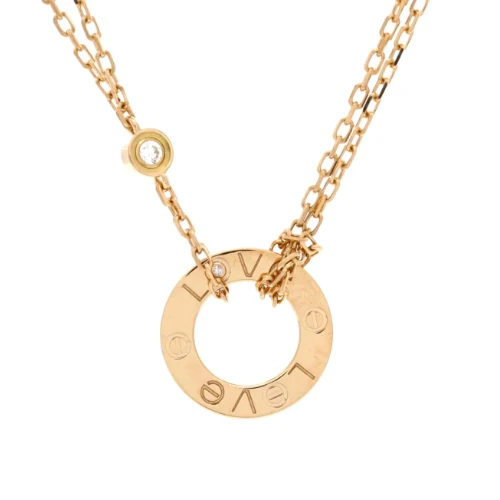
Cartier has been called the Jeweler of Kings since 1847 — and that heritage matters directly when you sell Cartier jewelry on the secondary market. The Love bracelet, Trinity ring, Panthère de Cartier, and Tank watch are among the most recognized luxury objects in the world, which creates a depth of buyer demand that most jewelry brands simply cannot match.
The value of any Cartier piece depends on the collection it belongs to, the metal and gemstones involved, its condition, and whether original documentation is present. But knowing what your piece is worth is only half the equation. Where and how you sell Cartier jewelry shapes the final outcome just as much — auction houses, online specialist buyers, local jewelers, and private sales each carry different trade-offs between payout level and how long the process takes.
This guide covers what drives Cartier resale values, the steps involved, which selling options suit which types of pieces, and the most common mistakes people make when selling Cartier jewelry that reduce the final amount received.
IN THIS GUIDE
WHAT DOES SELLING CARTIER JEWELRY INVOLVE?
Unlike many luxury brands whose resale value depends heavily on current fashion, Cartier benefits from something rarer — pieces that transcend trends entirely. The Love bracelet has been a cultural constant since 1969. The Trinity ring has been in continuous production since 1924. That kind of longevity means the secondary market for Cartier is broad, deep, and not especially seasonal, giving sellers a genuine advantage when it comes to finding buyers quickly.
Resale prices are set by the secondary market — what buyers are willing to pay today based on condition, provenance, and current demand — not by the original retail price. Cartier does not offer a buyback or trade-in program, so anyone looking to sell Cartier jewelry needs to approach the market directly. Routes include specialist online buyers, local jewelers, auction houses, and peer-to-peer platforms, each with different implications for payout and timeline.
Cartier sits at the upper tier of the accessible luxury market, which matters practically: the pool of potential buyers is larger than for ultra-high-end brands, but the pieces still command genuine premiums over unbranded jewelry. A plain gold Love bracelet or Trinity ring in good condition will attract multiple serious buyers. Rarer pieces — High Jewelry items, vintage Tank watches, or Panthère pieces with exceptional stones — attract a narrower but highly motivated collector base.
Counterfeiting is a meaningful issue with Cartier specifically — the brand's recognition makes it a frequent target. This makes authenticity verification a more important step than it would be for less well-known brands, and buyers will assess this carefully before making any offer. Having original documentation strengthens that verification and typically results in a better outcome for the seller.
WHAT AFFECTS THE VALUE OF CARTIER JEWELRY?
Several factors influence what a buyer will offer for a Cartier piece. Understanding these helps set realistic expectations before approaching the market.
| Factor | Why It Matters |
|---|---|
| Authenticity & Hallmarks | Cartier pieces carry maker's marks and metal purity stamps; counterfeits are common and carry no resale value |
| Collection & Design | Love, Juste un Clou, Trinity, and Panthère command the strongest demand due to global recognition |
| Metal & Gemstones | Cartier uses 18k gold, platinum, and high-grade stones; diamond-set pieces command more than plain metal equivalents |
| Condition & Wear | Minimal wear and no repairs earns more; visible damage or replaced components reduces offers |
| Original Box & Papers | Original Cartier box, certificate of authenticity, and receipts increase buyer confidence and improve offers |
| Rarity & Provenance | Limited editions and pieces with documented ownership history — especially by notable individuals — command a premium |
| Age & Vintage Appeal | Vintage and antique pieces reflecting significant periods in Cartier's history attract collector interest and premiums |
| Market Demand | Luxury market trends, celebrity visibility, and seasonal cycles all influence which pieces sell fastest and at what price |
HOW TO SELL CARTIER JEWELRY (STEP-BY-STEP)
| Step | Action | What To Do |
|---|---|---|
| Step 1 | Confirm Authenticity | Check for Cartier hallmarks and metal purity stamps on the piece. Locate any original documentation — receipts, certificates of authenticity, and service records. Counterfeits are common in the Cartier resale market, so verifying authenticity through a qualified jeweler before approaching buyers is strongly recommended. |
| Step 2 | Get a Professional Valuation | Request quotes from two or three specialist buyers and research recent sold listings for comparable pieces. A real purchase offer — not an insurance appraisal, which is typically written to reflect replacement cost — is the most accurate measure of what the current secondary market will actually pay. |
| Step 3 | Prepare the Piece | Ensure the piece is clean and presentable. Gather all original packaging, certificates, and documentation. Take clear, high-quality photos from multiple angles, capturing hallmarks and any distinguishing features. Avoid costly repairs before selling — contact a buyer first, as repairs rarely increase offers enough to recover the expense. |
| Step 4 | Complete the Sale Securely | Once an offer is accepted, ship using insured, tracked delivery with signature confirmation, or complete the transaction in person. Confirm the payment method and timeline before sending anything. Keep all transaction documentation until funds are fully received. Timing the sale around high-demand periods — such as the holiday season or Valentine's Day — can also help. |
BEST PLACES TO SELL CARTIER JEWELRY
Picking the right place to sell changes both the final price and the timeline. Each option involves different trade-offs.
| Selling Option | Best For | Pros | Cons | My Take |
|---|---|---|---|---|
| Online Jewelry Buyer (e.g. White Pine) | Fast, convenient sale | Strong payouts; low overheads; offers within 24 hours; no listing effort | Must ship item; payment follows physical inspection | Best overall for most Cartier sellers |
| Local Jewelry Retailer | Same-day payment | Quick and convenient; item stays in hand until sale | Lower offers due to overhead and limited resale reach | Good only if speed matters more than price |
| Auction House | Rare or high-value pieces | Competitive bidding can push prices above expectations | High commissions (10–28%); slow process; outcome uncertain | Worth considering for exceptional or rare Cartier pieces only |
| Online Marketplaces (eBay etc.) | Maximising return | Global audience; seller controls pricing | Time-consuming; fraud risk; platform fees apply | Viable but requires significant effort and patience |
| Private Sale | Known buyer; high-value pieces | No middleman; potential for highest net return | Finding a buyer takes time; fewer legal protections | Good if right buyer is already identified |
| Consignment | Hands-off selling | Shop handles all listing and marketing | 20–50% commission; no guaranteed timeline or outcome | Rarely worth the wait or fee for most pieces |
HOW MUCH IS CARTIER JEWELRY WORTH?
Most Cartier pieces resell for 30–50% of their original retail price, though this varies significantly by collection, metal, gemstone content, and condition. A plain yellow gold Love bracelet typically sits at the lower end of that range, while diamond-set versions, Panthère pieces, and Tank watches in excellent condition with full documentation can command considerably more.
Resale value differs from retail pricing for straightforward reasons: buyers in the secondary market account for the cost of reselling, any servicing or repairs required, and the risk of holding inventory. That gap is not unique to Cartier — it applies across all luxury jewelry. What distinguishes Cartier is the depth and consistency of buyer demand, which typically keeps values more stable than lesser-known brands.
Collections such as Love, Juste un Clou, Trinity, and Panthère tend to perform best due to consistent global recognition. High Jewelry pieces — one-of-a-kind items with exceptional gemstones — can command exceptional prices. Vintage and antique pieces from significant periods in Cartier's history also attract collector premiums above everyday production items.
The luxury jewelry market isn't entirely static — demand can shift based on fashion trends and celebrity visibility, and timing a sale around high-demand periods such as the holiday season or Valentine's Day can make a modest difference. That said, the most reliable way to understand a piece's current value is to request a real purchase offer from a specialist buyer.
COMMON MISTAKES TO AVOID WHEN SELLING CARTIER JEWELRY
Selling Cartier jewelry can go smoothly, but a few common mistakes can cost sellers money or drag the process out unnecessarily.
EXPECTING RETAIL PRICING
A Love bracelet purchased for £6,000 will not resell for £6,000. Resale prices reflect what a buyer in the secondary market will pay today — typically 30–50% of retail — after accounting for their own costs of resale and margin. Insurance appraisals are written for replacement value, not market value, and using one to set expectations usually leads to disappointment. Request a real offer from a current buyer first.
SKIPPING AUTHENTICITY VERIFICATION
Cartier is one of the most counterfeited luxury brands in the world — particularly the Love bracelet and Trinity ring. Buyers know this and will scrutinise hallmarks carefully. Confirming authenticity before approaching the market, ideally through a qualified jeweler or via Cartier's own authentication services, removes a major obstacle and signals to buyers that the piece has been properly vetted.
IGNORING DOCUMENTATION
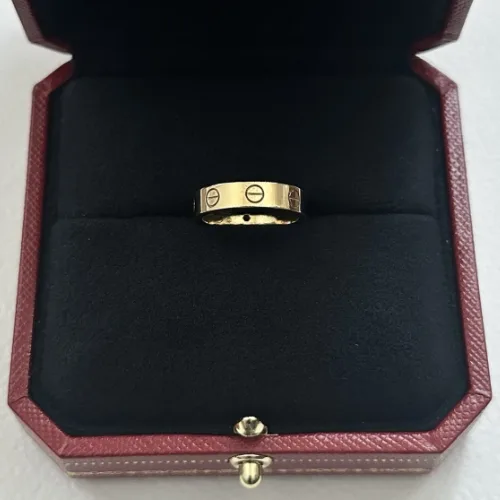
The original Cartier red box, receipt, and certificate of authenticity are not just nice extras — they meaningfully affect the offer. For high-value pieces like Panthère or High Jewelry items, complete documentation can be the difference between a confident buyer and a cautious one. Even partial paperwork such as a service record from a Cartier boutique adds credibility and value.
REPAIRING BEFORE SELLING
Polishing a Love bracelet before sale can remove the natural wear pattern that some collectors actively prefer. Resizing a Trinity ring to a non-standard size reduces the buyer pool. Having a clasp repaired at a non-Cartier jeweler can flag as non-original to an experienced buyer. In almost every case, consulting a specialist before making any changes to the piece is the right move.
ACCEPTING THE FIRST OFFER
Cartier pieces attract a wide range of buyers, and not all of them specialise in or actively seek Cartier. A buyer who primarily handles loose diamonds may offer less for a Love bracelet than a specialist in signed luxury jewelry who has active demand from their own customers. Gathering two or three quotes from buyers with relevant Cartier experience almost always yields a meaningfully better result.
CHOOSING THE WRONG PLATFORM
A standard yellow gold Love bracelet does not belong at auction — the commission will erode much of the return, and the result is uncertain. A one-of-a-kind High Jewelry necklace with exceptional stones is not well-served by a quick sale to a general buyer. The selling method needs to match the piece: high-volume Cartier staples suit direct buyers, while rare or historically significant items warrant a more specialist approach.
MOST POPULAR CARTIER ITEMS ON THE RESALE MARKET
When buyers shop for pre-owned Cartier, they are not all looking for the same thing. Some pieces sell faster because they are iconic, some because they carry history, and some because they are harder to find. These are the collections and item types that attract the strongest secondary market interest.
CARTIER LOVE BRACELET
Designed in 1969 by Aldo Cipullo, the screw-motif design is tied to the idea of love and commitment. A staple of luxury jewelry that performs consistently on the resale market. Versions with diamonds or different gold colors command more than the plain yellow gold version.
CARTIER TRINITY RING
Designed by Louis Cartier in 1924, featuring three interlocking bands of yellow, white, and rose gold representing love, friendship, and fidelity. A timeless design with strong and consistent resale demand across all markets.
PANTHÈRE DE CARTIER
Rings, bracelets, necklaces, and watches built around Cartier's long-standing panther motif. Pieces from this collection are highly coveted by collectors and regularly attract strong offers, particularly those set with diamonds and colored gemstones.
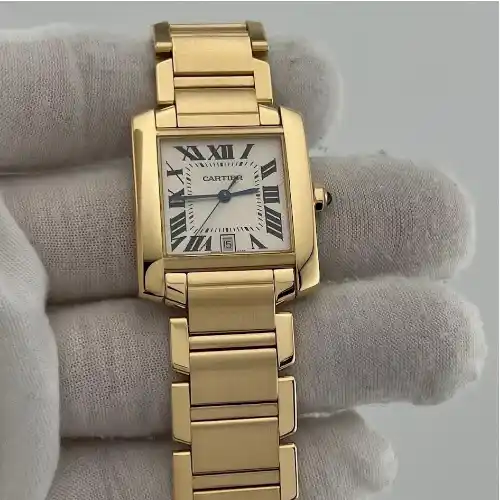
CARTIER TANK WATCH
Introduced in 1917, the sleek rectangular design was inspired by military tanks. Worn by dignitaries and celebrities across decades, it holds value well in the pre-owned market. Vintage Tank models in original condition attract collector premiums.
JUSTE UN CLOU
Designed in the 1970s, this collection features bracelets, rings, and necklaces shaped like a bent nail. Popular with buyers seeking bold, contemporary Cartier pieces. Diamond-set and yellow gold versions are the most sought after on the secondary market.
CARTIER HIGH JEWELRY
The top tier of the Cartier range. One-of-a-kind pieces featuring exceptional gemstones and intricate designs. These command exceptional prices due to exclusivity and craftsmanship, and are best suited to specialist buyers or major auction houses rather than general resale platforms.
FREQUENTLY ASKED QUESTIONS ABOUT SELLING CARTIER JEWELRY
IS CARTIER JEWELRY WORTH SELLING?
Yes. Cartier is one of the few jewelry brands where even entry-level pieces hold meaningful resale value. The Love bracelet and Trinity ring are bought and sold in volume every day on the secondary market. Diamond-set pieces, Panthère items, and vintage Tank watches command the strongest returns. Original documentation and the iconic red box consistently improve offers across all categories.
DOES CARTIER BUY BACK THEIR JEWELRY?
No. Cartier does not operate a buyback or resale program. The brand focuses exclusively on new product sales. Owners looking to sell need to approach the secondary market through an online specialist, local jeweler, auction house, consignment shop, or peer-to-peer platform. For most standard Cartier pieces, a specialist online buyer offers the best combination of speed, pricing, and security.
HOW MUCH CAN I SELL MY CARTIER JEWELRY FOR?
Most pieces resell at 30–50% of retail. A plain yellow gold Love bracelet in good condition with original box typically achieves toward the lower end of that range; a diamond-set Panthère piece or a vintage Tank watch with full documentation can achieve considerably more. Condition, completeness of paperwork, and collection all shift the figure, which is why getting a current offer from a specialist is always worthwhile. We also offer services when you are selling an engagement ring that is not Cartier branded.
WHICH CARTIER COLLECTIONS HAVE THE BEST RESALE VALUE?
Love and Trinity consistently lead in resale volume due to global recognition and ongoing production — buyers know exactly what they are getting. Juste un Clou and Panthère command strong premiums, particularly diamond-set versions. Cartier watches — the Tank and Santos especially — hold value well and attract a dedicated watch collector market in addition to jewelry buyers. High Jewelry pieces are the most variable, as pricing depends heavily on the specific stones.
DOES CONDITION AFFECT THE RESALE VALUE OF CARTIER JEWELRY?
Yes, and the impact is more nuanced with Cartier than many expect. Obvious damage or missing stones clearly reduce offers. But even a heavily polished Love bracelet — where the screw heads have been buffed flat — can attract a lower offer than a lightly worn one, because knowledgeable buyers recognise it. Cartier-branded service stamps from a boutique, on the other hand, can actually support value by confirming authentic maintenance history.
CAN I SELL CARTIER JEWELRY WITHOUT THE ORIGINAL BOX?
Yes. Hallmarks and physical inspection are the primary means buyers use to verify authenticity, so a piece without its box is still fully sellable. That said, Cartier's red box is widely recognised and adds perceived value above and beyond its practical function. For buyers purchasing as a gift or for resale themselves, a complete presentation commands a clear premium — especially for engagement-adjacent pieces like the Love bracelet.
HOW LONG DOES IT TAKE TO SELL CARTIER JEWELRY?
For a standard Cartier piece sold to an online specialist, the process from first contact to payment can be completed in under a week — often in 48 hours. Local jewelers can pay on the spot. Auction houses schedule specific sale dates, meaning a piece submitted today may not sell for four to eight weeks, and may not sell at all if bidding does not reach the reserve. Consignment is similarly open-ended with no guaranteed timeline.
FINAL THOUGHTS
Cartier's position in the jewelry market is genuinely unusual — it combines the brand prestige of a true luxury house with the transaction volume of accessible luxury. That combination benefits sellers directly, because there are always active buyers for Cartier pieces across a wide price range. The challenge is not finding a buyer; it is ensuring the sale is handled in a way that reflects the full value of what is being sold.
Collection matters more with Cartier than with almost any other brand. A Love bracelet and a Panthère necklace may cost similar amounts at retail but behave very differently in the secondary market — the Panthère is rarer, attracts a collector audience, and warrants a different selling approach. Understanding which category a piece falls into, and choosing the right buyer accordingly, is the single most important factor in achieving a good outcome.
Authenticity documentation, condition, and original packaging all contribute to the final offer, but none of them substitute for working with a buyer who genuinely understands what Cartier pieces are worth and has an active market for them. Sellers who take the time to source two or three specialist quotes consistently do better than those who accept the first offer made.
Read this page if you are also looking to sell Tiffany jewelry or sell David Yurman jewelry.
Written by Matt Cacioppo, Vice President at White Pine Diamonds and a GIA-trained estate jewelry specialist. Matt has worked across all aspects of the diamond and jewelry industry since 2016, with a focus on helping owners understand resale value, authentication, and market dynamics across diamonds, estate jewelry, and luxury brands including Cartier, Tiffany & Co., and Van Cleef & Arpels.