- Deborah Yonick -March 24, 2022
Recycled Diamonds Vs Lab-Grown - Which Are More Sustainable?
The lab-grown diamond category has exploded on the consumer market in the last decade, particularly the past few years, positioning itself as an eco-friendly, sustainable alternative to natural diamonds.
But are lab-grown diamonds a more sustainable diamond option than using recycled natural diamonds?
Lab-grown diamond producers market their products as “less of a threat” to the environment than natural diamond mining. They point to the fact that their processes use less water, emit fewer greenhouse gasses, and do not disrupt the earth to bring a diamond to market, as compared to mining diamonds.
Yet they speak little of the enormous energy needed to grow diamonds. Diamonds are grown in factories using High Pressure High Temperature (HPHT) or Chemical Vapor Deposition (CVD) processes. HPHT produces more diamonds per cycle, CVD allows the grower to better control quality, which is especially important for diamonds
- Deborah Yonick -March 15, 2022
Defining Recycled Diamonds & Their Value
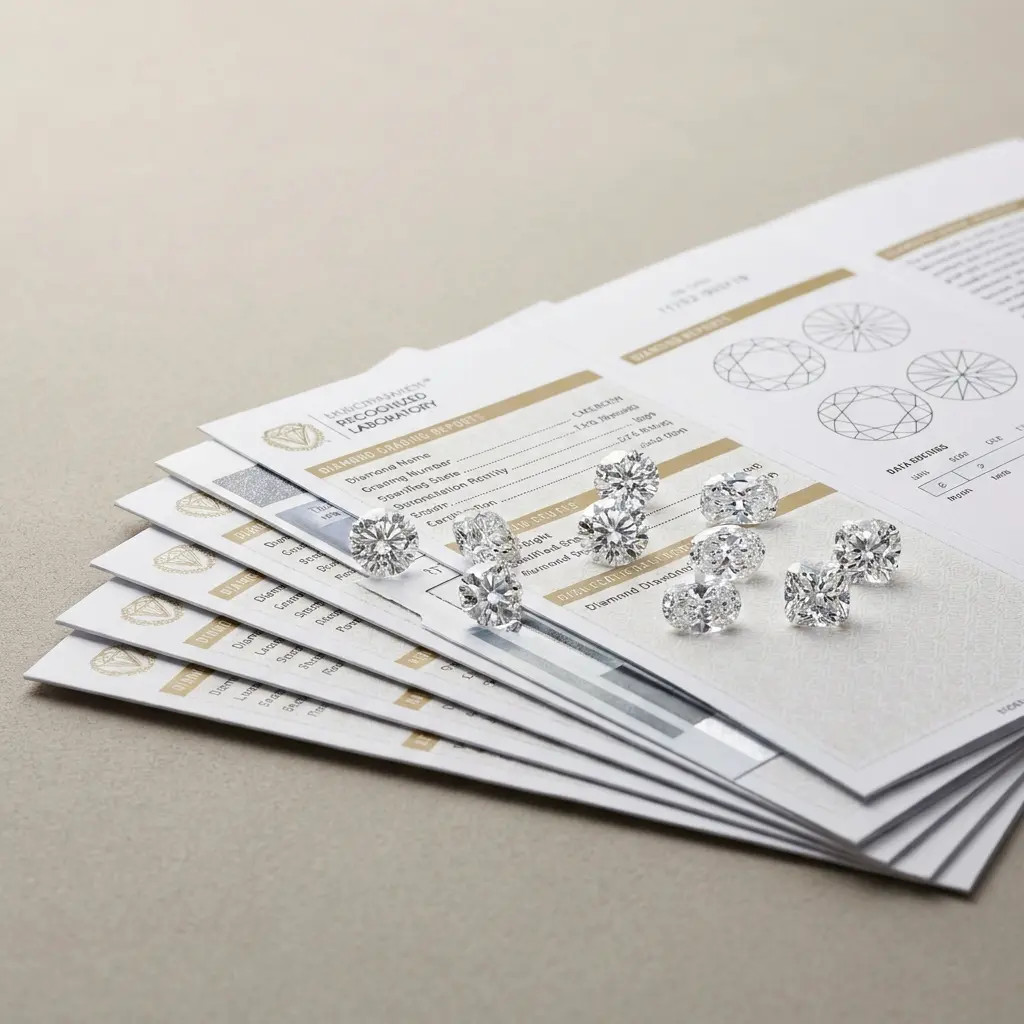
Recycled diamonds are perhaps the fine jewelry industry’s best kept trade secret, presenting a compelling opportunity for jewelry designers and retailers to incorporate a sustainable, value-retaining option to newly mined natural diamonds and lab-grown diamonds.
The broadest definition of recycled diamond is a natural diamond that was previously owned or manufactured and has re-entered the diamond supply chain to be repurposed for another piece of jewelry.
Recycled diamonds are acquired in many ways, including from the jewelry boxes of consumers, estate sales and bankruptcies, and part of inventory liquidations and closeouts of collections that may never have made it to market.
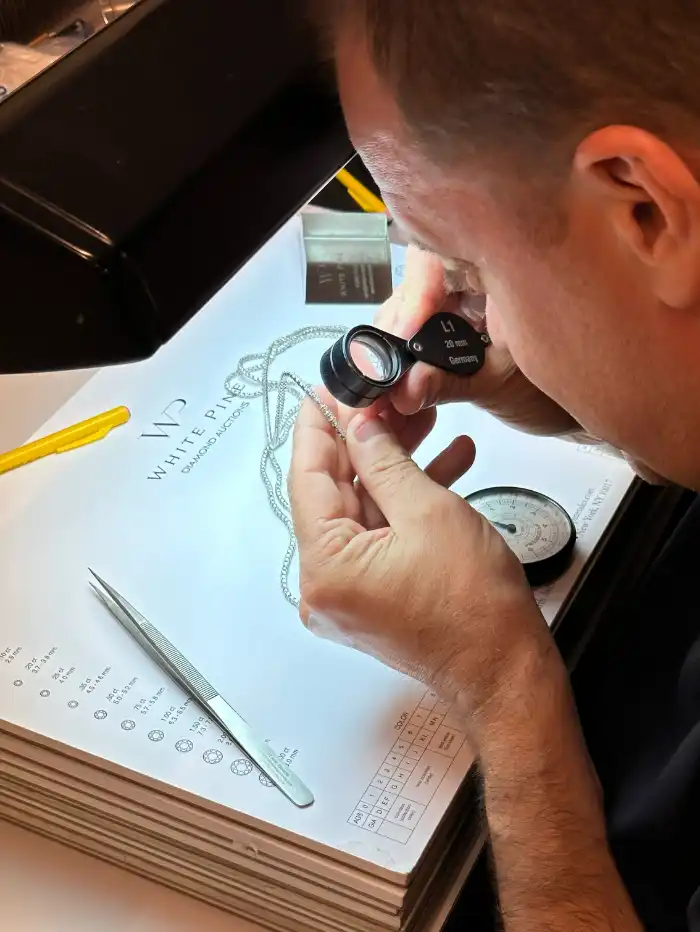
White Pine, for example, buys exclusively from the trade, including pawn shops, retailers, diamond dealers, and diamond manufacturers. Consistency and quality of the goods it brings to market are top priorities for this leading supplier of calibrated recycled diamond
- Matt Cacioppo -March 03, 2022
5 Things You Need To Know About The Recycled Diamond Business
Never Turn Anyone Away
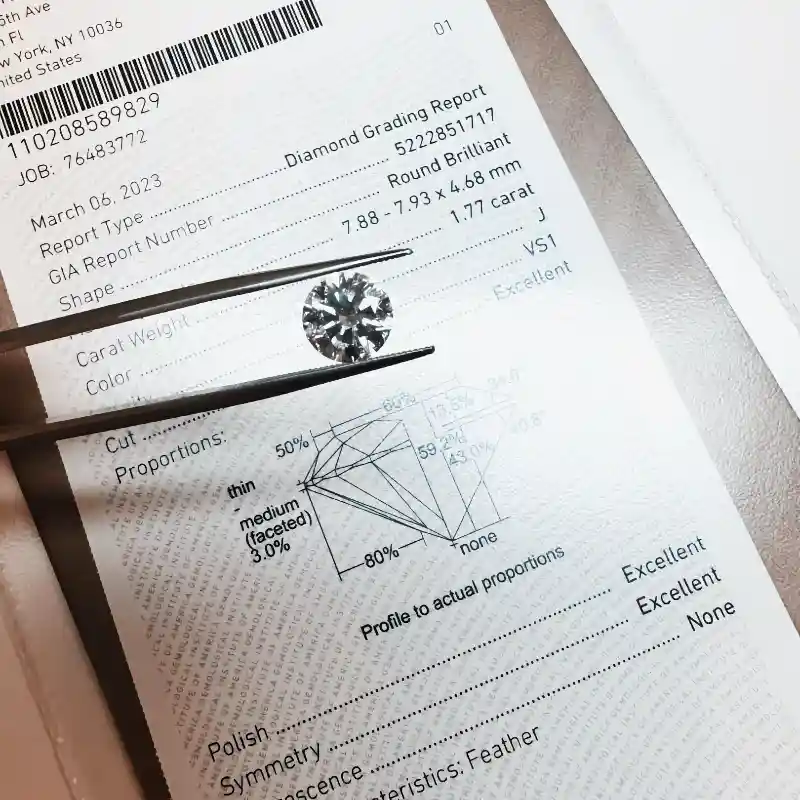
Increase your profitability and offer your customers a complete range of products and services. If a consumer wants to sell you a diamond or diamond jewelry item but you're unsure of the value, White Pine's experts can assist you in providing a fair offer. If a customer is interested in sustainable options, know that White Pine is in stock and ready to ship recycled, remanufactured stones. Never turn away business because you're unsure about the recycled diamond space.
Demand For Sustainable Products Is Strong
Consumer demand for socially responsible and sustainable products is greater than ever and growing. Offering recycled diamonds not only allows your business to advertise as sustainable, but helps improve your margins so you stop paying larger premiums on new manufactured goods.
Designer Names Aren't Everything
Buy gold and diamonds at commodity value. When buying with intent to recycle
- Matt Cacioppo -June 06, 2021
Getting To Know The Melee Market
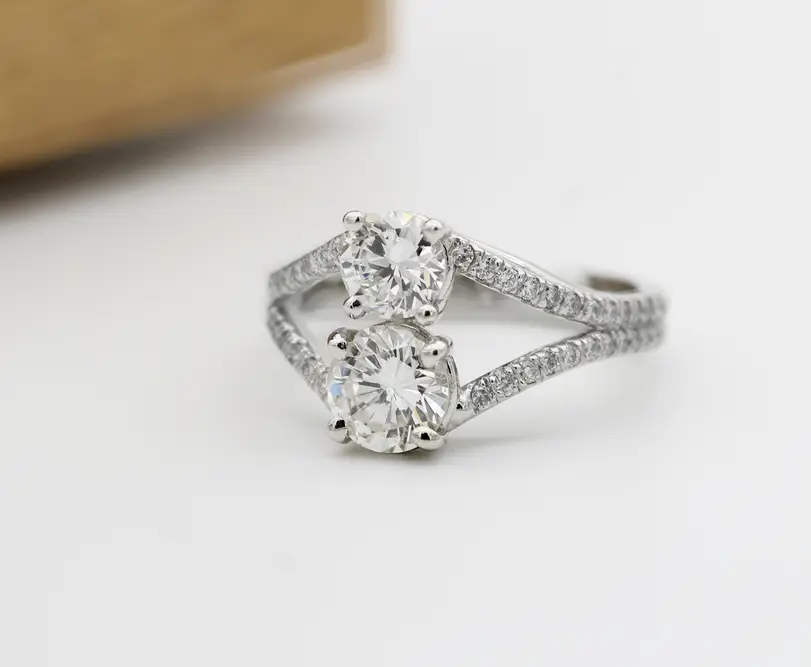
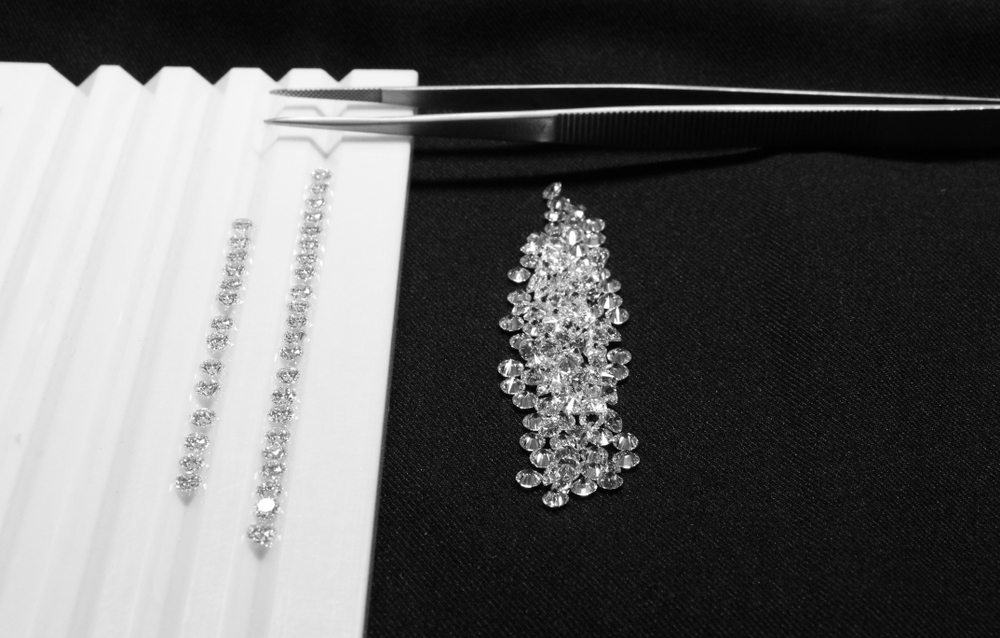
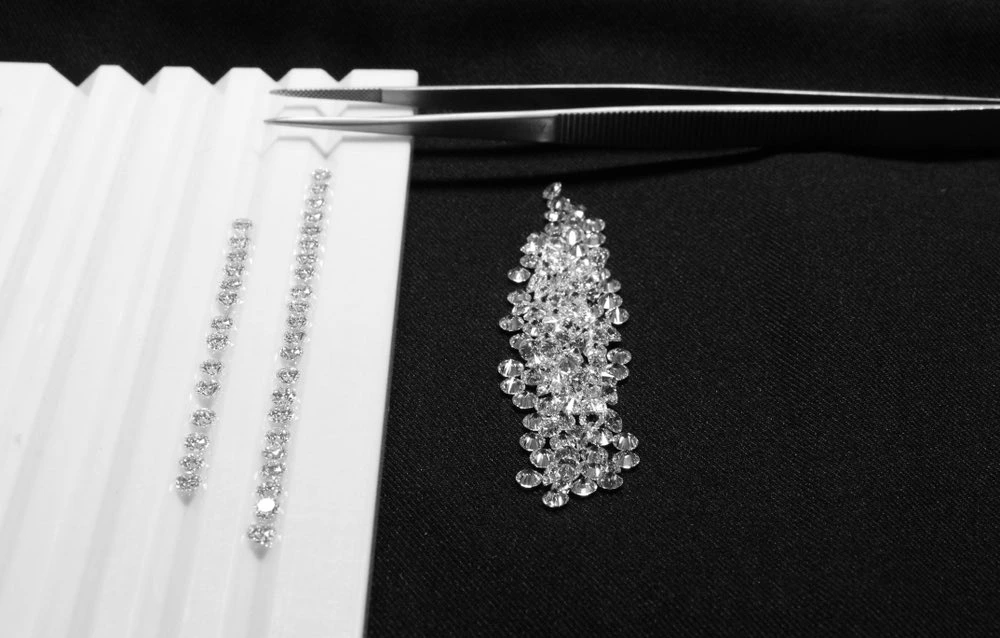
Diamonds have been ‘traded’ for hundreds of years. In the early days, transactions were informal and not influenced by anything other than the buyer’s desire for the stone. However, industry stakeholders quickly realized that there was money to be made as the buying and selling of diamonds became more formalized and frequent. This realization resulted in the formation of the global diamond market, as it’s known today. On a broad scale, the global diamond market accounts for the trade of all diamonds, everything from top top quality to industrial quality diamond material used to produce tools and equipment. This article will examine a specific sector of the diamond trade, known as the melee market. The term “melee” refers to diamonds less than 0.20ct in weight, typically seen in jewelry pieces such as engagement rings, wedding bands, tennis bracelets, and fashion jewelry. Any stones used in jewelry aside from the ‘center stone’ are known as ‘melee’. Below