
GETTING TO KNOW THE MELEE MARKET

Diamonds have been traded for hundreds of years. In the early days, transactions were informal and not influenced by anything other than the buyer's desire for the stone. However, industry stakeholders quickly realized that there was money to be made as the buying and selling of diamonds became more formalized and frequent. This realization resulted in the formation of the global diamond market as it's known today. On a broad scale, the global diamond market accounts for the trade of all diamonds, from top quality to industrial-grade material used to produce tools and equipment.
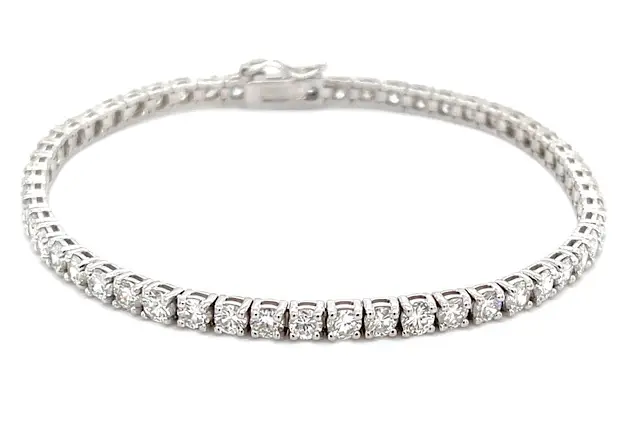
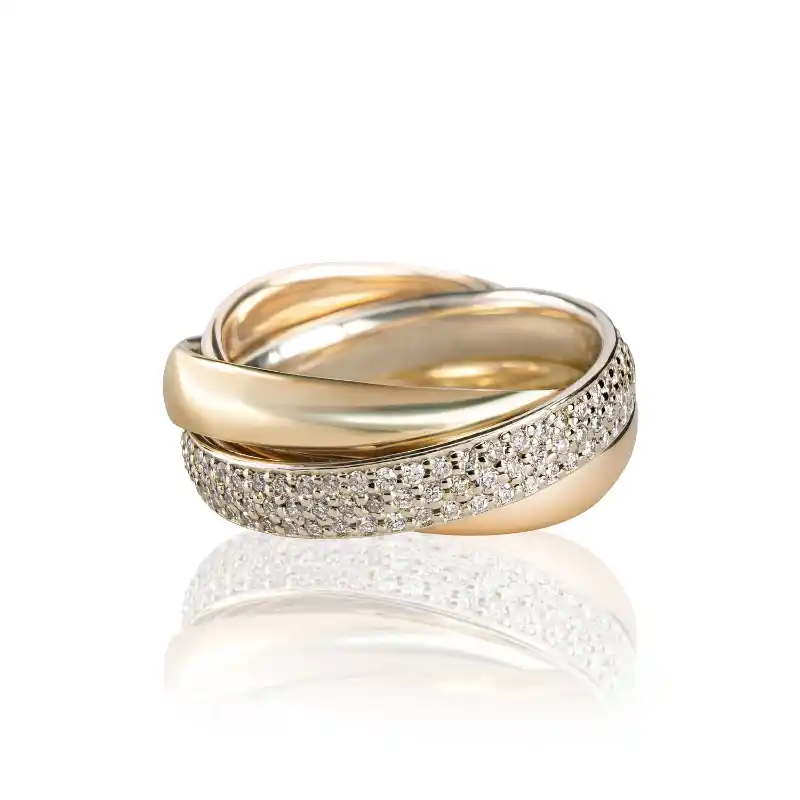
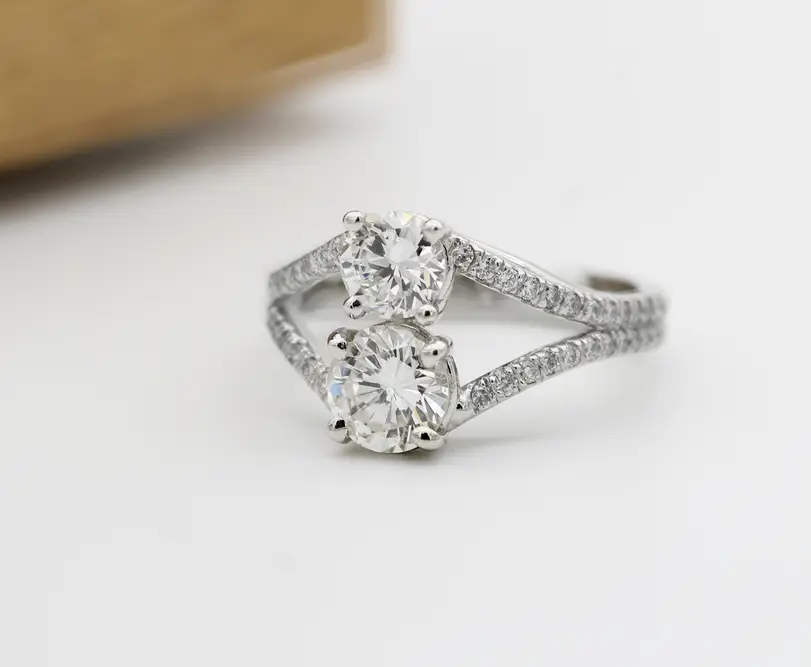
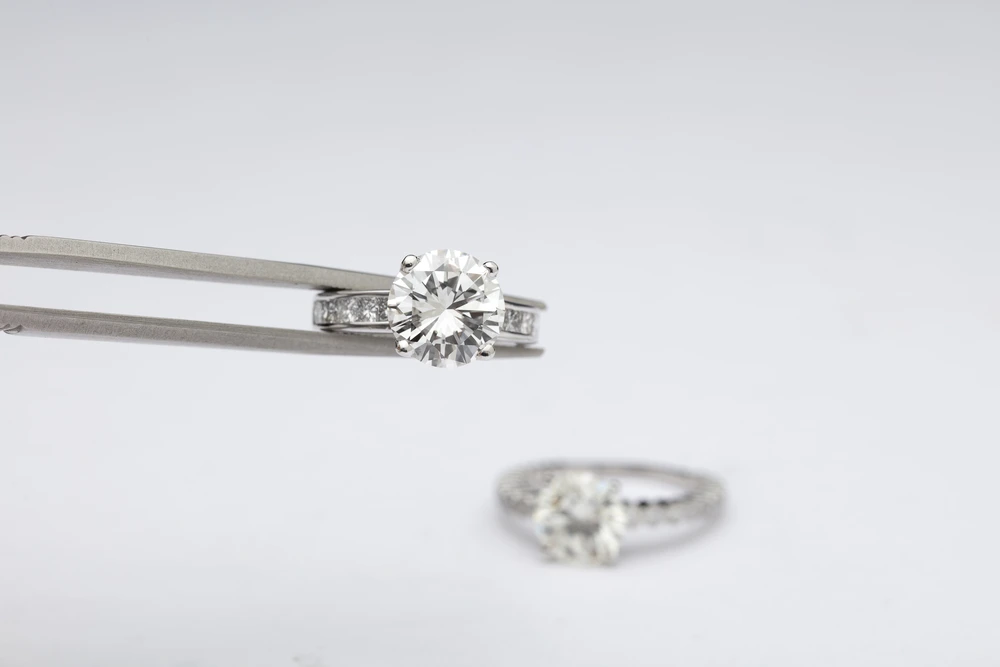
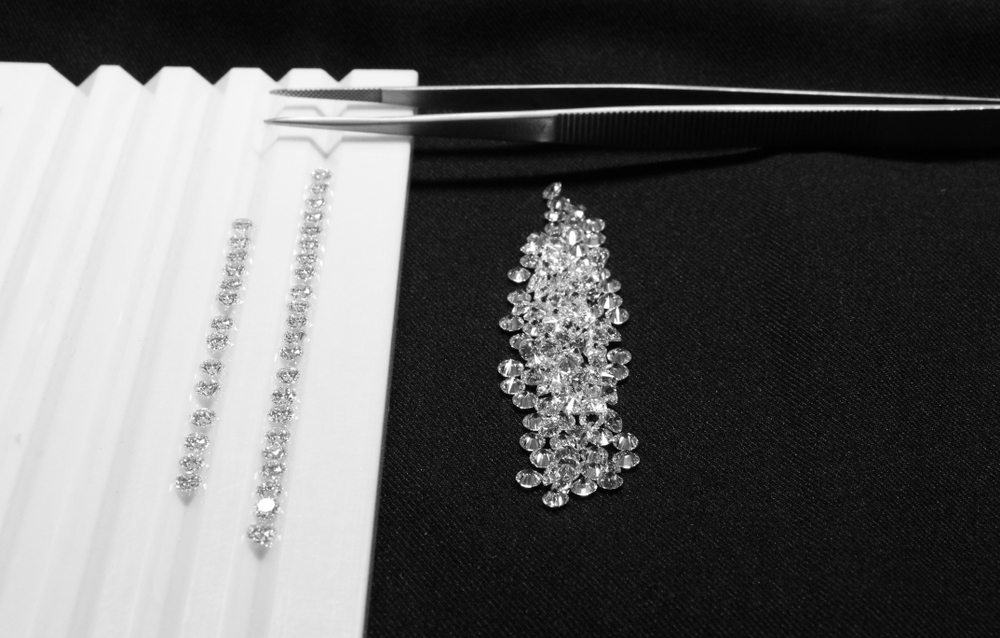
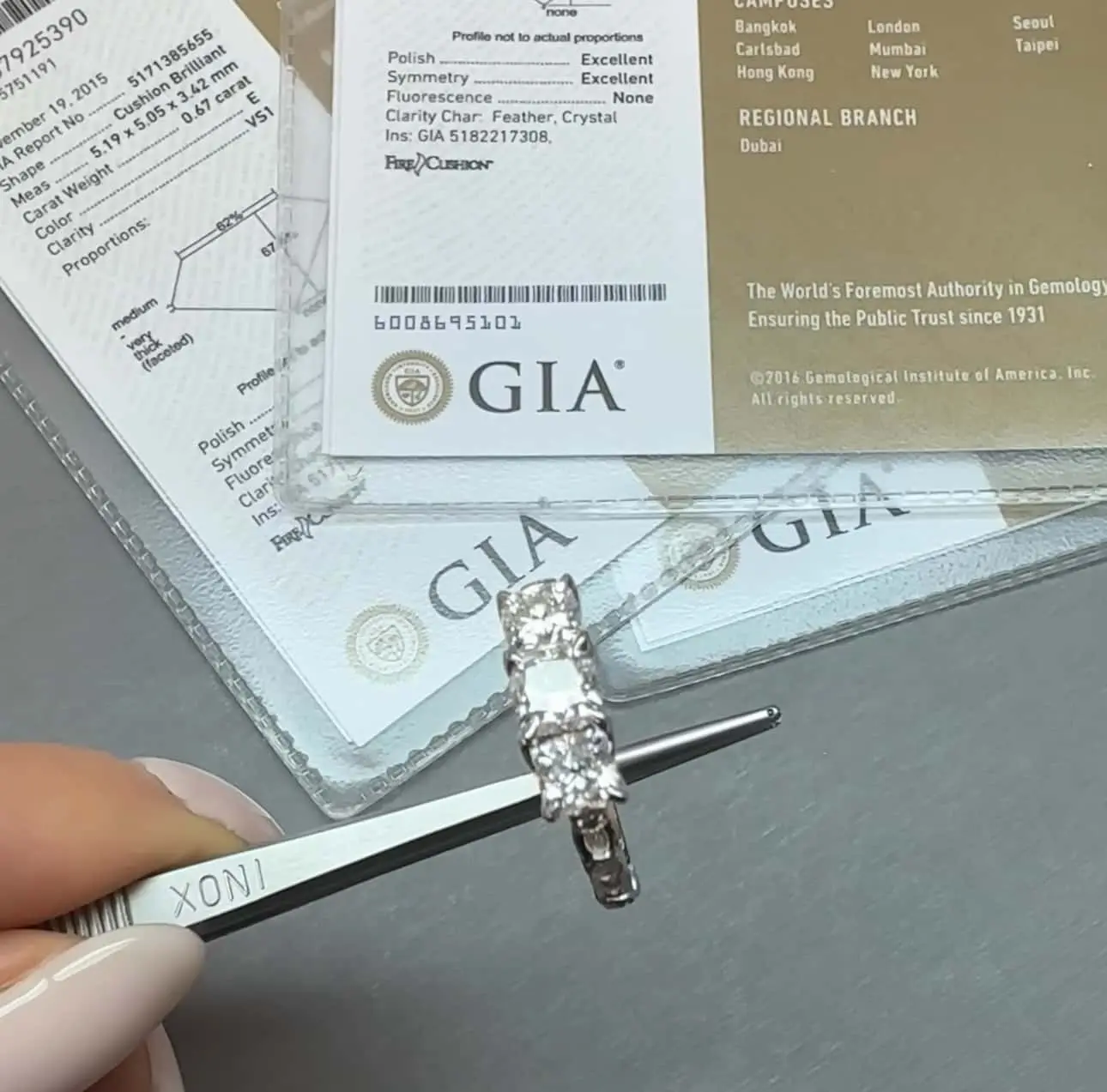
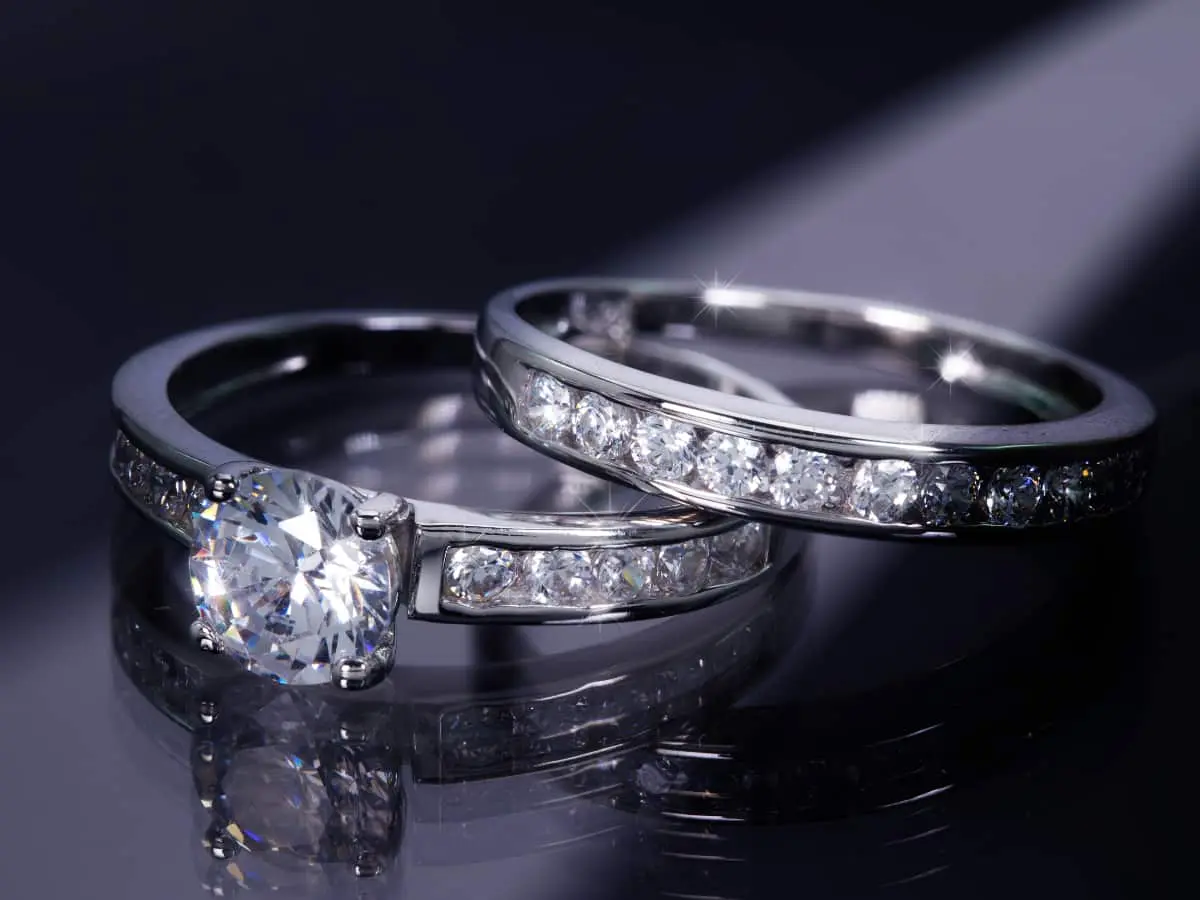
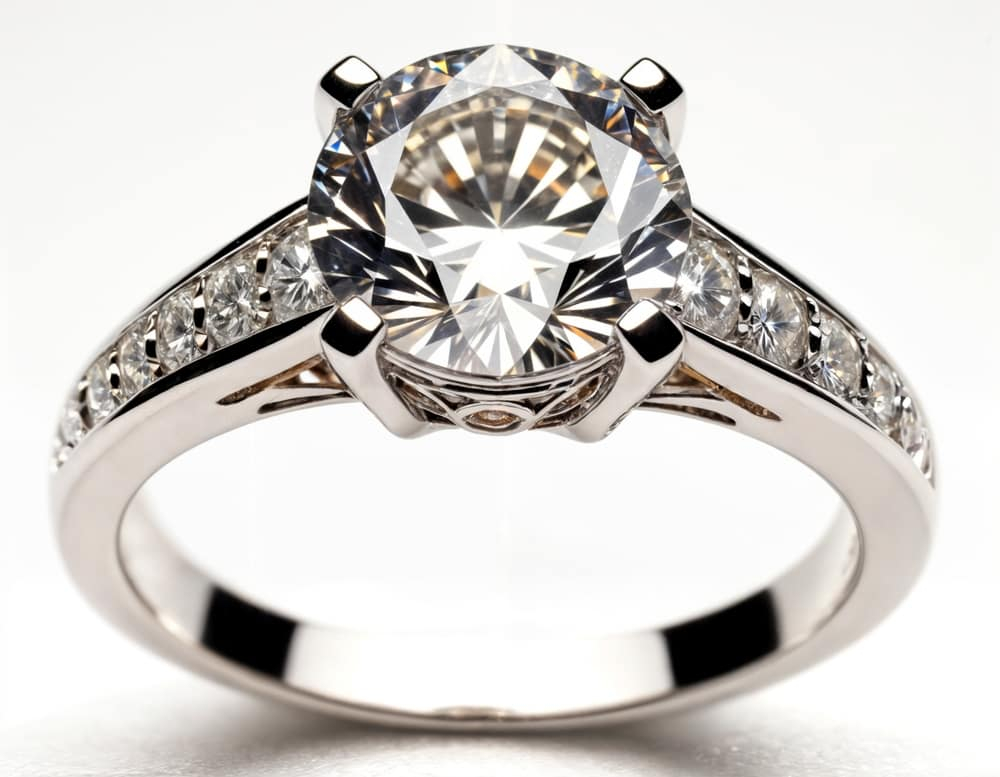
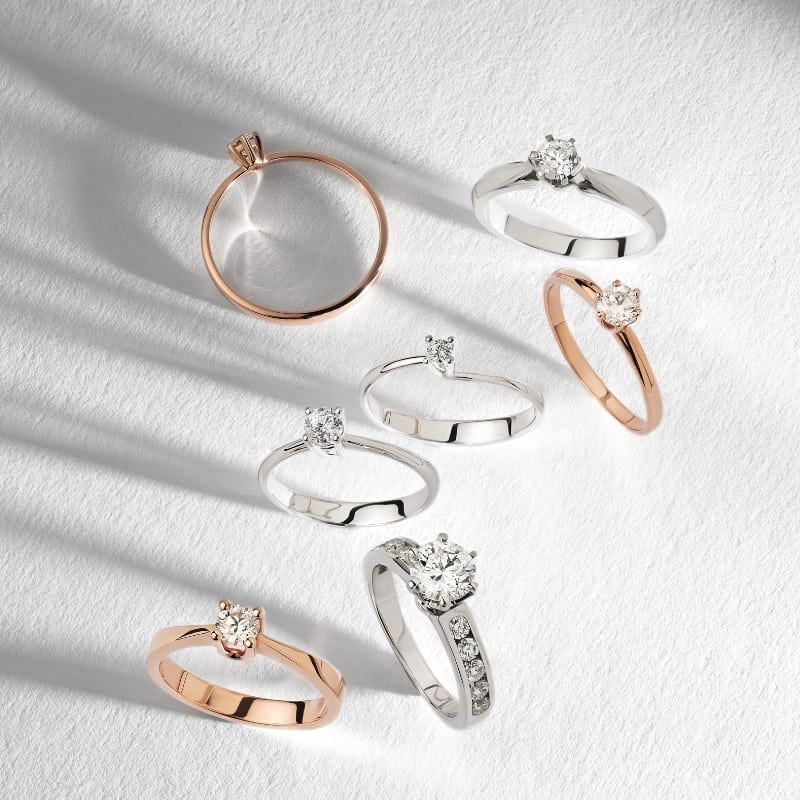
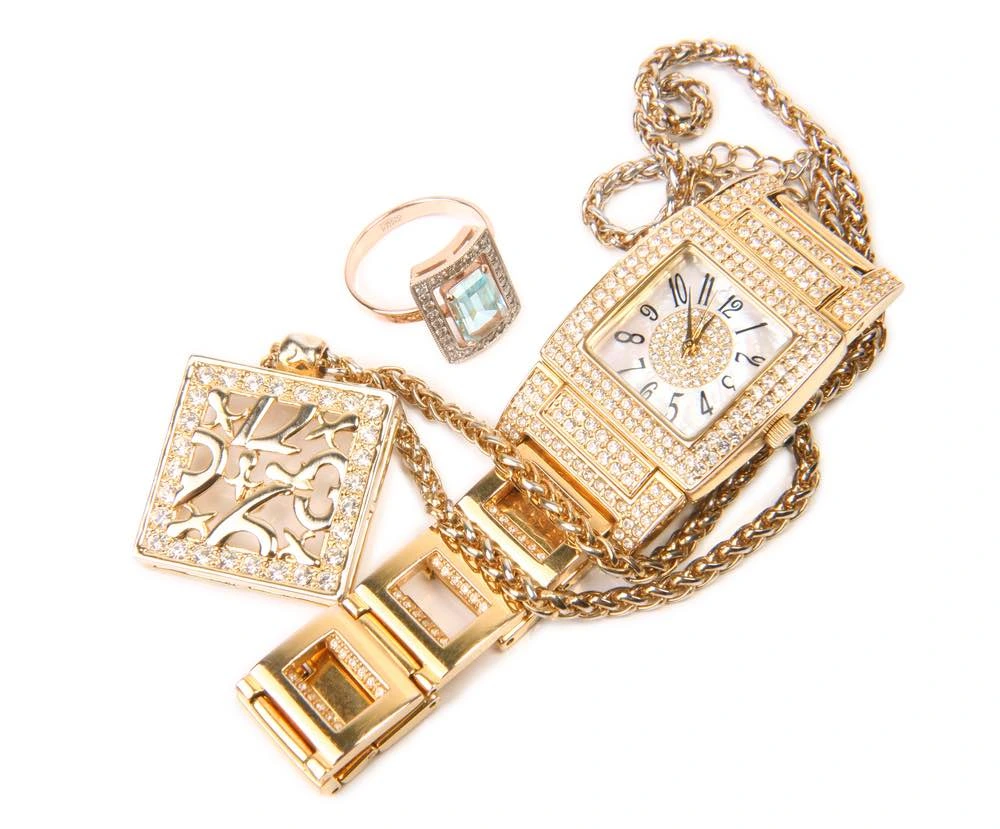
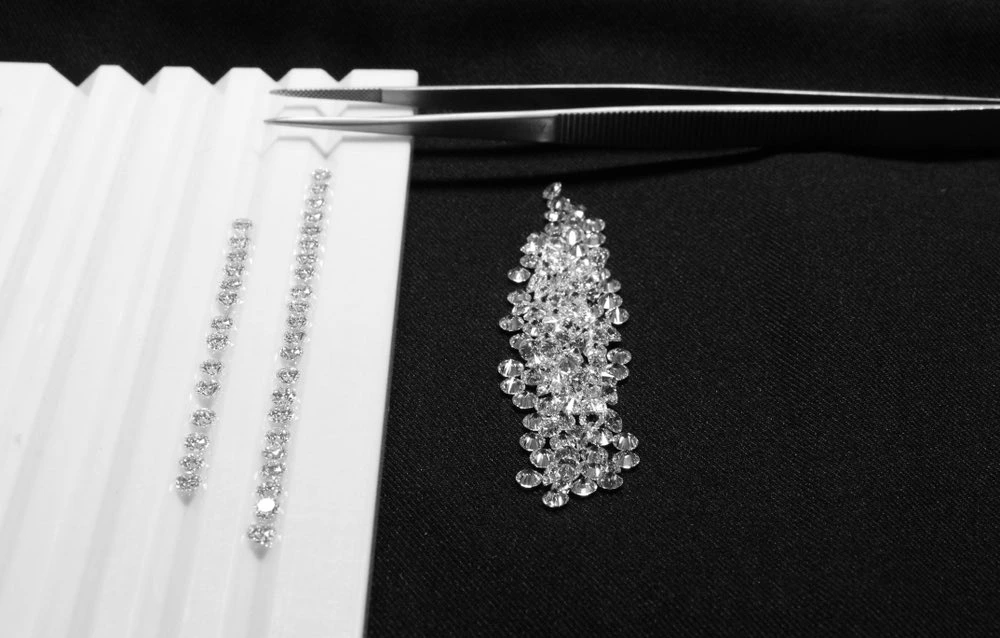
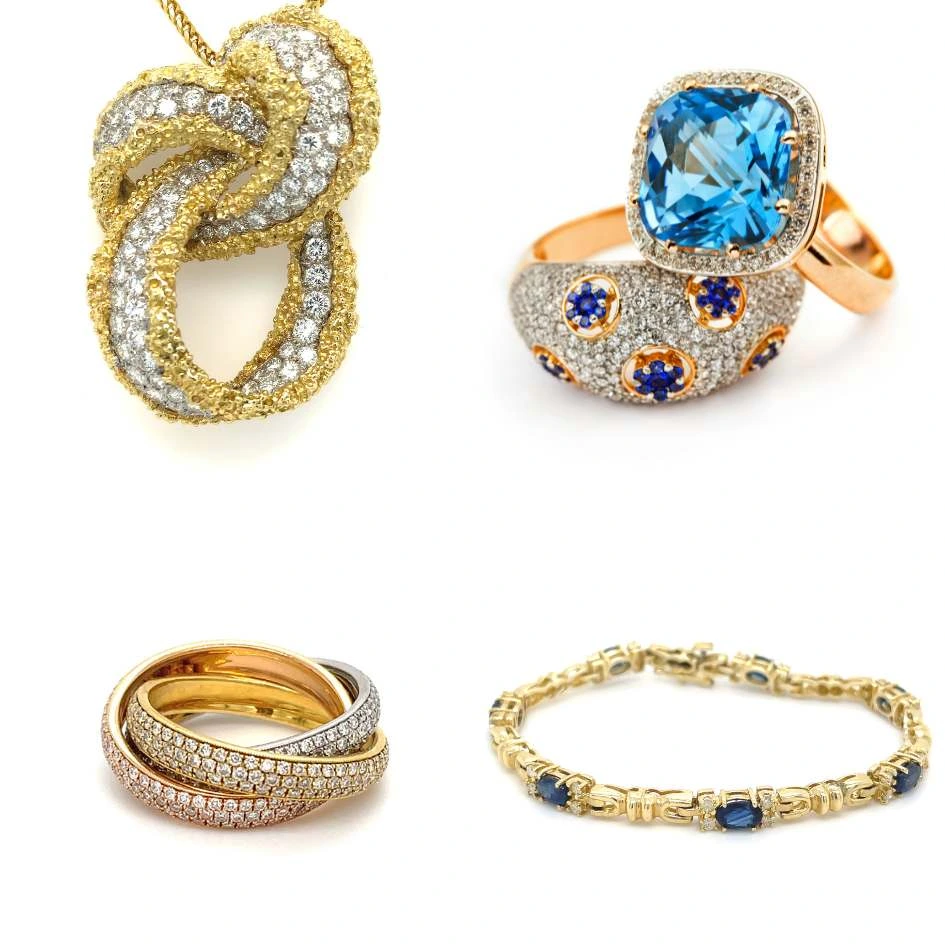
This article will examine a specific sector of the diamond trade known as the melee market. The term "melee" refers to diamonds less than 0.20ct in weight, typically seen in jewelry pieces such as engagement rings, wedding bands, tennis bracelets, and fashion jewelry. Any stones used in jewelry aside from the center stone are known as melee.
THE IMPORTANCE OF DEMAND

As you already know, demand drives supply and supply determines demand. To understand the melee market one should monitor and track demand. Melee values can be volatile and are directly impacted by the following: supply, or lack thereof, changing jewelry and consumer trends, manufacturing shifts, swings in the prices of larger single stones, and economic factors such as currency, economical and political changes.
HOW TO RECOGNISE AND PREDICT A MELEE MARKET UPSWING

Be aware of political and economical movements. These changes can often signal the rise or fall of wealth and interest in high-end luxury goods such as diamonds. A prime example has been displayed over the past decade, when demand for diamonds has notably increased in emerging markets such as China, India, and the Middle East, where populations and consumer spending have risen rapidly in a short period of time. As a result, the diamond market saw significant supply shortages driven by rising demand.
The majority of the melee available on the US market originates abroad. It is mined and the rough is cut and polished in either India or China before being re-exported to markets around the globe. International factors can have very real repercussions for the melee market. Issues such as the liquidity crunch in India in 2016 and the collapse of the Russian ruble in late 2014 have had serious impacts on the diamond market, particularly melee. It's important to understand the close connection between diamonds and the global economy and keep an eye on economic shifts that affect consumer spending, currencies, and cash flow.
Shifts in jewelry trends may also indicate an upswing in melee demand. Keep an eye on advertisements from big chain jewelry stores and within major consumer publications, which both provide valuable clues on what's trending in jewelry designs. Certain jewelry styles, such as stackable items, pieces with micro-pavé work, or tennis bracelets, use an abundance of melee. As they gain or wane in popularity the specific melee used in those pieces fluctuates accordingly.
JEWELRY TRENDS THAT MOVED THE MELEE MARKET

Below are examples of jewelry styles that have experienced short-lived popularity. During their peak, the melee market behind them experienced heightened demand and value.

1980S: BABY BAGUETTE DIAMONDS
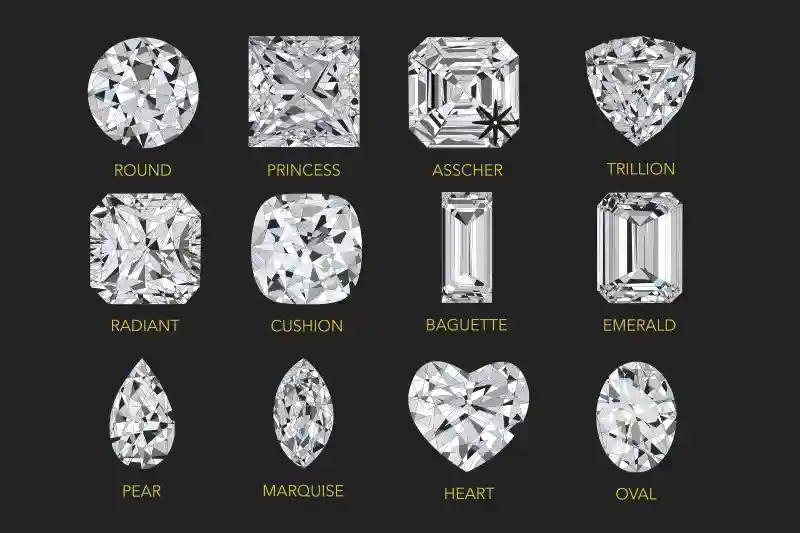
Baguettes were very popular in the 1980s, both in jewelry and manufacturing. This drove the price per carat up while these diamonds were in demand. Since then, the price has fallen considerably to a level about one fifth of what it once was. And at some point, for some as yet unknown reason, the demand and the price will rise again.

1990S: CLUSTER RINGS
Cluster rings were very popular for a time, causing increased demand for small pavé diamonds. Then the fashion tides shifted again and three-stone rings and pendants were what everyone wanted, so the larger stones jumped in value.

LATE 1990S – EARLY 2000S: TENNIS BRACELETS
Once the height of fashion, tennis bracelets similarly caused a spike in the value of melee. As their desirability has waned, they are no longer one of the forces affecting the melee market.
RELY ON MARKET EXPERTS

The melee market can be elusive and hard to understand as it's not tracked and indexed the same way that single stones are, with pricing readily available to the trade on RapNet. There is no commonly adopted melee price sheet in circulation and even if there were, it would always be subject to change given factors such as trend shifts and economic conditions. Contact Melee on Demand at melee@whitepinediamonds.com to speak to a melee expert — we would be happy to help you understand the current melee market and how to buy and sell melee effectively.